This article may contain affiliate links. If you buy through them we may earn a commission at no extra cost to you.
The right cordless vacuum comes down to four numbers: runtime, air watts, weight, and price. Get those right for your home’s size and floor type, and everything else is a bonus feature. Get them wrong, and you’ll have a $400 stick that runs out of battery before you finish the living room.
Battery Runtime and Charging Time
Runtime is the first real-world limit you’ll hit. Cordless vacuums typically deliver 20 to 60 minutes on a single charge, but that top number almost always reflects eco mode—the lowest power setting. At standard power, expect 30–40% less. If you’re cleaning more than one room, that gap matters.
What to check
- Rated runtime: Ask for the standard-power estimate, not the eco-mode figure manufacturers put on the box.
- Charging speed: Most models take 3–5 hours to fully recharge. A 60-minute charge for a 30-minute runtime is a red flag for large homes.
- Battery type: Lithium-ion is the standard. Some premium models offer fast-charge versions (30 minutes to 80%) at a price premium.
- Spare battery option: High-end models let you swap a second battery mid-clean. Spare batteries run $150–$300 but effectively double your runtime without buying a second vacuum.
A 30-minute runtime only covers half your house if you’re not in eco mode—check the standard-power spec, not the marketing number.
Suction Power and Airflow
Air watts and kPa (kilopascals) are the two common suction metrics—neither is perfect, but both let you compare models on equal footing. For everyday dust and pet hair on hard floors or low-pile carpet, 150–200 air watts is sufficient. For thick carpet or heavy debris, aim for 200+.
Real-world performance
- Suction drops as the dustbin fills. Empty it at the halfway mark, not when it’s packed.
- Carpet pile depth is a bigger variable than most buyers account for: low-pile and hard floors need far less power than high-pile or shag rugs.
- More suction means more noise. If you vacuum early mornings or after the kids are in bed, look for models rated under 75 dB—some sacrifice a few air watts to stay there.
- HEPA filtration traps fine allergens but clogs faster than standard filters. Budget $30–$60 for replacements every 6–12 months depending on how often you vacuum.
Weight and Ergonomics
Most cordless sticks weigh 5–9 pounds. That range sounds tight, but holding a 9-pound vacuum overhead to clean a ceiling fan feels very different from holding a 5-pound one. Lightweight models (5–6 lbs) usually compromise on battery size or suction—worth it for stair-heavy homes, less so for large carpeted spaces.
Key comfort factors
- Handle grip: Soft, textured grips reduce hand fatigue on longer sessions. Some models offer adjustable handles for users over 6 feet.
- Head swivel: A flexible cleaning head lets you reach under furniture without tilting the whole machine.
- One-handed operation: Check whether you can trigger power and empty the dustbin without setting the vacuum down—small detail, real difference.
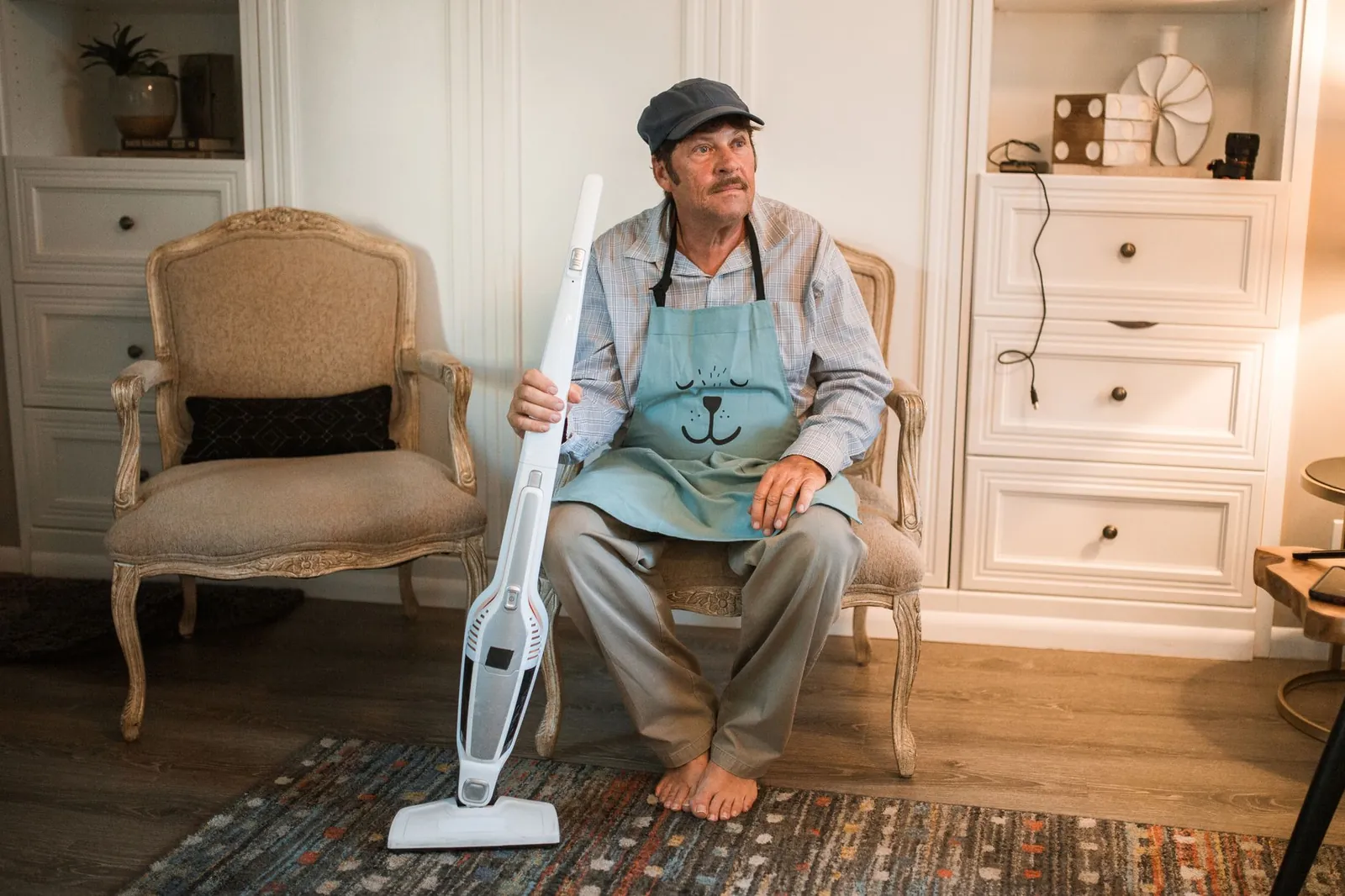
- Stair attachments: A detachable handheld unit adds 1–2 pounds but saves your back on multi-story homes.
Cleaning Head Type and Attachments
Motorized brush heads rotate bristles to agitate carpet fibers and pull up embedded debris—they’re heavier and louder, but non-negotiable if you have shedding pets or thick carpet. Soft rollers glide quietly across hard floors and low-pile rugs but won’t deep-clean anything plush.
Some models include both heads in the box; others charge $80–$150 for the second one. Check before you buy.
- Mostly hard floors: A soft-brush head is lighter and quieter. Save the money.
- Mixed flooring: Look for a combo head or a model that ships with both.
- Pet hair on any surface: Motorized head with a tangle-free design. Hair wrap is a real maintenance problem on cheaper brush rolls.
- Dustbin size: 0.5–0.7L bins mean fewer mid-clean empties. Bins under 0.4L are lighter but frustrating on larger jobs.
Price and Brand Reliability
Cordless vacuums span $200 to $750+, and the tiers are fairly predictable. Budget models ($200–$350) handle light cleaning in small spaces but typically cap out at 25–30 minutes of real-world runtime and softer suction. Mid-range ($350–$550) is where most buyers land—better batteries, stronger motors, and parts that are still available two years later. Premium models ($550+) add quieter motors, app connectivity, and longer warranties, but the performance jump from mid-range is smaller than the price jump suggests.
Dyson, Tineco, and Shark have the widest spare-parts networks and the most consistent warranty support (typically 2–5 years). Smaller brands sometimes match them on specs but can be difficult to service after 18 months. Check whether replacement filters, batteries, and brush rolls are sold directly and not just through third-party resellers.
Warranty, Maintenance, and Long-Term Costs
A well-maintained cordless vacuum should last 5–10 years. The costs that catch buyers off guard:
- Replacement filters: $30–$60 per year, more if you have pets or allergies and run the vacuum frequently.
- Battery replacement: Lithium-ion cells retain roughly 70–80% capacity after 500 charge cycles—about 2–3 years of regular use. A new battery runs $150–$300.
- Motor repairs: $100–$300 depending on brand and labor. At year four or five, compare repair cost against a mid-range replacement before committing.
- Trade-in programs: Dyson and a few others offer discounts when you return an old unit. Worth checking if you’re already eyeing an upgrade.
Minimum warranty to accept: 2 years on the motor and battery. Some brands offer 5-year extended plans for an additional fee—useful if you’re buying at the $500+ tier.
Cordless vs. Other Cleaning Tools
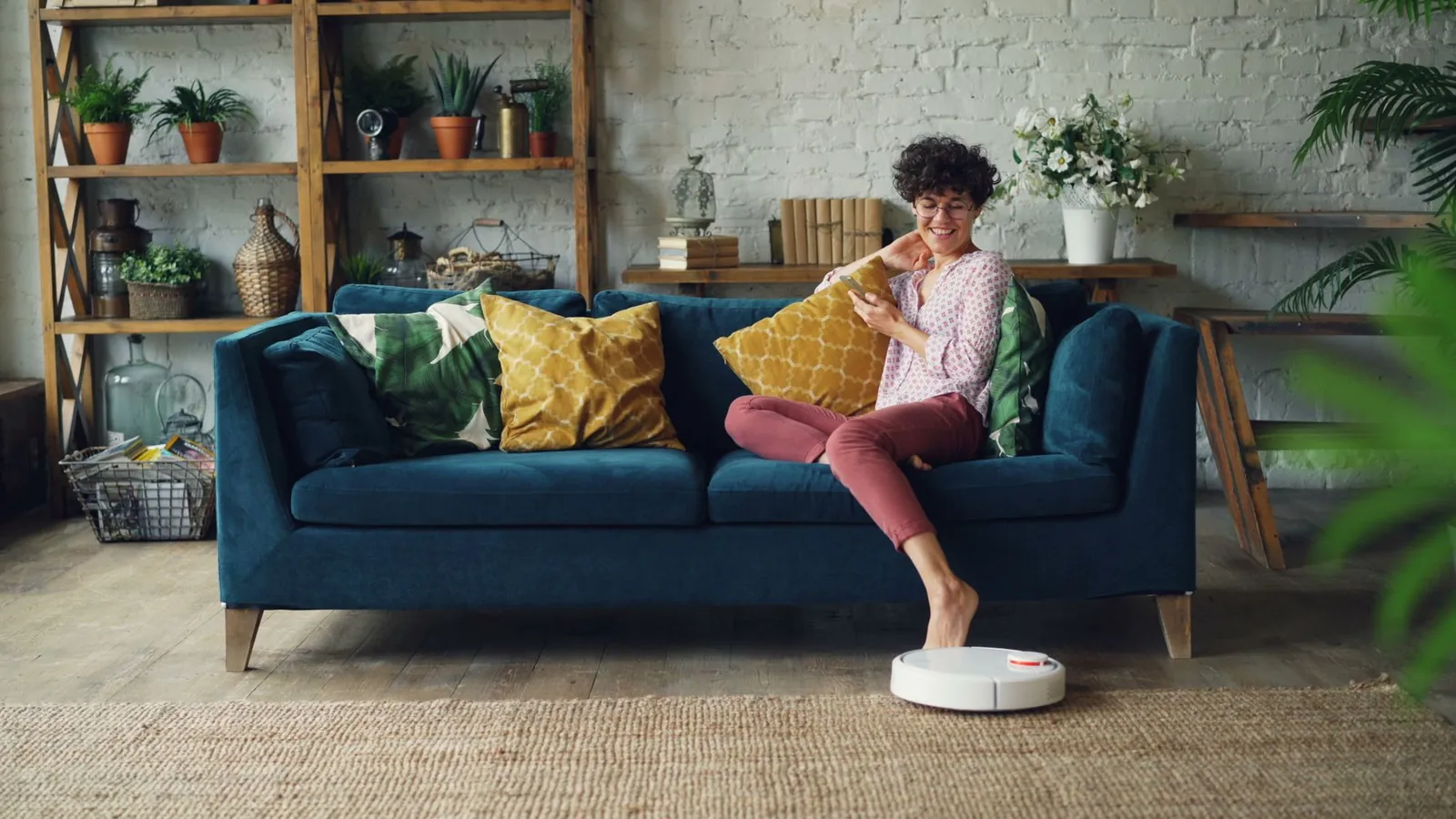
A cordless vacuum isn’t automatically the best tool for every home. Mostly hard floors, no pets, and a regular schedule? A robot vacuum runs autonomously and may serve you better. Thick carpet throughout a large house? A plug-in upright still wins on sustained suction and runtime—no battery ceiling, no trade-off.
Cordless vacuums hit their sweet spot in homes with mixed flooring, stairs, or cars to clean—anywhere a cord becomes a genuine obstacle. For a full breakdown of specific models across each price tier, see our cordless vacuum buying guide.
Frequently asked questions
How long do cordless vacuum batteries last?
Lithium-ion batteries retain roughly 70–80% of their original capacity after 500 charge cycles, which works out to about 2–3 years of regular use. After that you’ll notice shorter runtimes before the battery fails entirely. Replacement batteries cost $150–$300 depending on the brand.
Can you use a cordless vacuum on carpet?
Yes, but the cleaning head determines how well. A motorized brush head handles low-to-medium pile carpet reliably. For thick or high-pile carpet, most cordless models lack the sustained suction of a plug-in upright—if deep carpet cleaning is your primary use case, test on your specific carpet type before committing.
Are cordless vacuums quieter than plug-in models?
Not reliably. Cordless vacuums range from 70–85 dB depending on motor size and power mode. Some plug-in uprights run quieter (65–75 dB) because larger housings allow better sound insulation. Check the decibel rating for each specific model rather than assuming either type is quieter.
What’s the best cordless vacuum for pet hair?
Prioritize a motorized brush head with a tangle-free or self-cleaning design, 200+ air watts of suction, and a dustbin of at least 0.5L. Dyson and Tineco are the strongest options in this category, but expect to spend $400–$600. Empty the dustbin after every session—pet hair compresses and cuts suction faster than regular dust.
Do I need a spare battery?
It depends on your home’s size relative to the vacuum’s standard-power runtime. A 30-minute runtime covers most apartments in one pass. For a full multi-room house, either buy a spare battery ($150–$300) or plan to charge between floors. If you vacuum daily in short bursts, a spare is rarely necessary.

Priya covers deals and buying timing, and keeps a spreadsheet of price histories she is slightly embarrassed by.