This article may contain affiliate links. If you buy through them we may earn a commission at no extra cost to you.
The most significant 2026 gadget launches fall into five categories: AI wearables, flagship smartwatches, wireless earbuds, smart home displays, and gaming handhelds. Smartwatches and earbuds offer the clearest value this cycle. AI pins and desktop assistants are still early-adopter territory—interesting hardware with real daily-use friction.
AI-Powered Gadgets Lead 2026 Launches
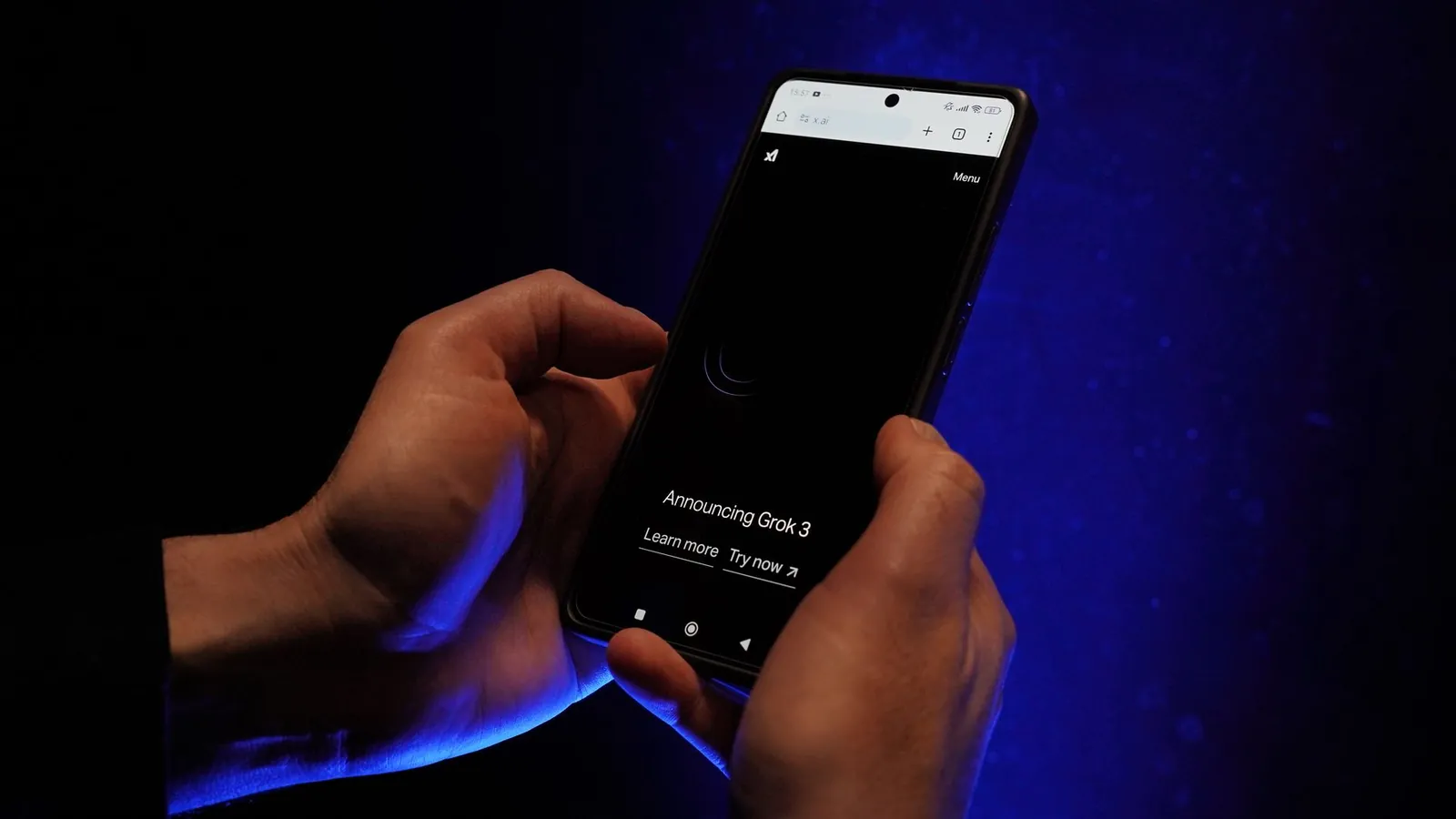
Dedicated AI hardware moved off phones and into clips, glasses, and tabletop screens this year. Most retail between $300–$700, and that price reflects genuine novelty more than proven utility.
AI Pins and Wearable Displays
AI pins clip to clothing and project information onto your palm or a nearby surface. Battery life runs 2–4 hours under typical use, and outdoor readability is a persistent problem in direct sunlight. They also require a paired smartphone for full functionality—so despite the pitch, these aren’t standalone devices yet. Best for: commuters who want hands-free information access and don’t mind daily charging.
Desktop AI Assistants
Tabletop AI screens from multiple manufacturers landed at $200–$500. They handle smart home control, answer questions, and run lightweight apps. The gap between price tiers is real here: budget models under $250 frequently stall on simultaneous voice commands or multi-step automations, while $400+ units handle the same tasks without hesitation. If smart home control is the primary use case, the extra spend is justified.
Flagship Smartwatches Get Serious Upgrades
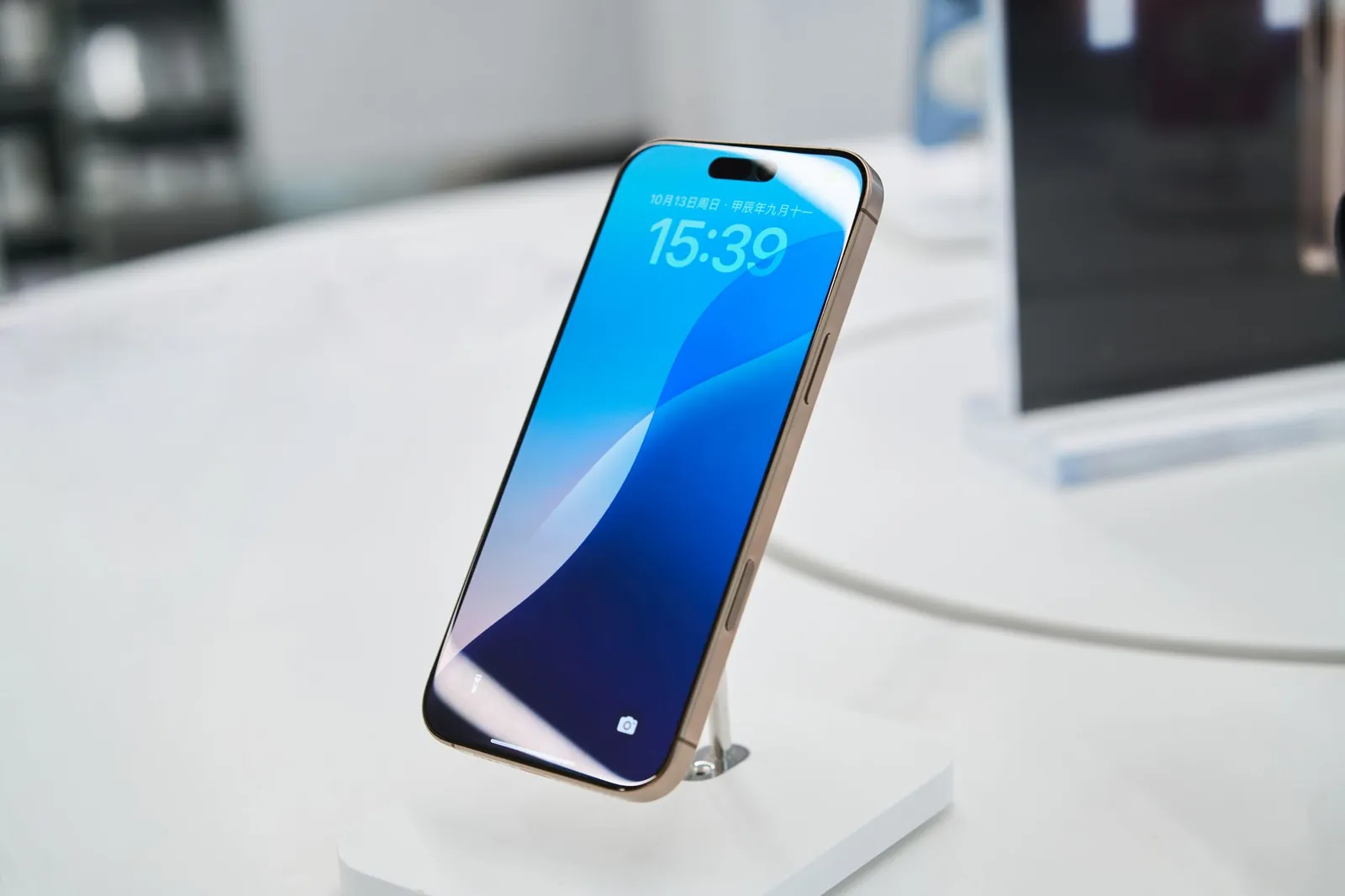
This year’s flagship watches ($250–$800) focused on health accuracy and endurance. Battery life stretched to 10–14 days on top models—up from 5–7 days in 2022—and blood oxygen, ECG, and skin temperature sensors all improved in precision. These aren’t cosmetic refreshes.
Health Monitoring Improvements
Irregular heart rhythm detection is meaningfully more reliable than previous generations, and sleep stage tracking now incorporates skin temperature as an additional data point. One catch: the health insights only accumulate if you wear the watch consistently. Occasional wearers won’t see trends that require weeks of baseline data.
Budget Smartwatch Alternatives
Mid-range watches at $100–$200 now include most of the same sensors as premium models. The trade-offs are processing speed (slower app load times and on-device workouts) and display quality (lower brightness and resolution outdoors). For most fitness tracking needs, the $150 tier covers the basics well. See our guide to the best cheap smartwatch for fitness for specific picks.
Wireless Earbuds Hit New Sound Standards
Flagship earbuds ($200–$350) now match the active noise cancellation depth of over-ear headphones from 2019—a benchmark that felt unreachable three years ago. Battery life improved to 8–10 hours per charge, with cases delivering 40+ total hours.
ANC and Transparency Modes
Real-world testing puts flagship ANC reduction at 20–35 dB, which makes a flight or open-plan office noticeably quieter. Budget earbuds ($50–$100) typically land at 10–15 dB reduction—enough for moderate environments, not enough for loud transit. Transparency modes on premium models have also improved: voices sound natural rather than processed, which matters if you wear earbuds during conversations.
Sound Quality and Codec Support
New earbuds support LDAC and aptX Adaptive, which deliver higher-resolution audio when your phone and streaming app support them. In practice, the difference is subtle in noisy environments and more noticeable during quiet, detail-heavy listening. For wallet-friendly options, check our roundup of best budget wireless earbuds under $50.
Smart Home Devices Expand Control and Automation
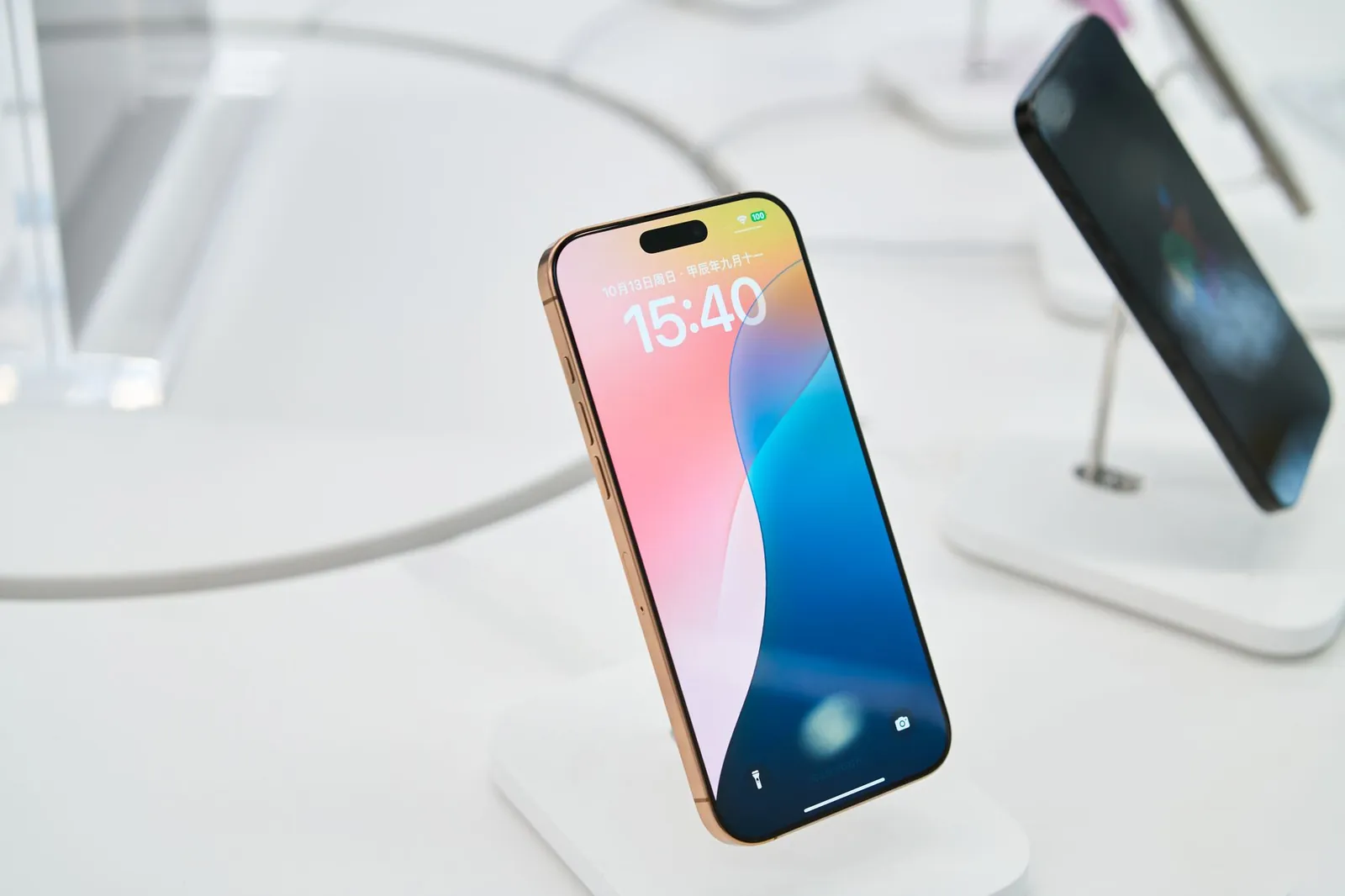
Smart displays (5–15 inches, $80–$300) added better cameras for video calls and security monitoring. Video doorbells ($100–$250) now distinguish between people and packages, cutting false motion alerts significantly. The more meaningful shift is software: 2026 devices learn routine patterns—lights dimming at your usual bedtime, thermostats adjusting before you typically arrive home—without manual rule-setting.
Interoperability and Privacy
Matter adoption expanded across brands this year, which reduces the vendor lock-in that made mixed smart home setups frustrating. Setup still requires patience—cross-brand automations occasionally need manual configuration—but the ceiling for what you can build without staying inside one ecosystem is much higher. Privacy controls improved too: more devices now offer hardware microphone switches and granular data-sharing settings at the OS level rather than buried in app menus.
Gaming Handhelds and Portable Displays
New handhelds ($200–$650) arrived with OLED screens and processors capable of running demanding PC titles at playable frame rates—typically 30–60 fps at medium settings, depending on the game. Battery life runs 4–8 hours; screen brightness and game intensity are the biggest variables. Portable displays (7–17 inches, $150–$400) pair with laptops or consoles for dual-screen setups and have become a legitimate travel accessory for remote workers.
Compatibility varies sharply by device. Some handhelds run Steam libraries natively; others focus on retro emulation. Confirm your library works on a specific device before buying—manufacturer compatibility lists are the most reliable source.
Comparison: 2026’s Top Tech Launches by Category
| Category | Price Range | Key Improvement | Best For |
|---|---|---|---|
| AI Pins | $300–$700 | Hands-free information access | Early adopters comfortable with daily charging |
| Flagship Smartwatches | $250–$800 | Advanced health sensors, 10–14 day battery | Consistent wearers focused on health tracking |
| Premium Earbuds | $200–$350 | Enhanced ANC (20–35 dB), 40+ hour total battery | Commuters, open-plan office workers |
| Smart Displays | $80–$300 | Better cameras, pattern-learning automations | Kitchen use, video calls, home control |
| Gaming Handhelds | $200–$650 | OLED screens, modern PC game support | Portable gamers, frequent travelers |
Our verdict
Most 2026 launches are 15–25% better than their 2026 predecessors—meaningful, not transformative. Smartwatches and earbuds deliver the most tangible daily-use improvements. AI gadgets are worth watching but not worth rushing into at current prices. Buy what you’ll use every day; skip what you’ll demo once and shelve.
Battery life and real-world accuracy matter far more than spec sheets—a smartwatch that lasts 10 days but misses half your irregular heartbeats is less useful than one lasting 5 days with reliable detection.
Frequently asked questions
Are 2026 tech launches worth buying immediately, or should I wait?
Early adopter pricing typically drops 15–25% within 3–6 months. If you need the gadget now, buy it; if you can wait, autumn sales often offer better deals. AI devices and niche products hold value longer than mainstream items like earbuds.
What’s the real difference between budget and premium versions of the same gadget type?
Premium models usually offer faster processors, longer battery life, and more sensors. For smartwatches and earbuds, the difference is noticeable but not always essential—budget options handle basic functions well. AI gadgets show bigger performance gaps between price tiers.
Do I need a new gadget if my 2026 model still works fine?
Unless you specifically need new features (better health sensors, improved ANC, AI integration), upgrading annually wastes money. Most 2026 launches are 10–20% incremental improvements. Upgrade every 2–3 years or when your device fails.
Which 2026 launches have the best resale value?
Flagship smartwatches and gaming handhelds hold 50–60% of retail value after one year. AI pins and experimental devices depreciate faster (30–40%). Premium earbuds fall somewhere in between (40–50%), especially if original packaging is retained.
Are 2026 gadgets compatible with older devices I already own?
Most are backward-compatible with phones from 2020 onward, but new features may require recent OS versions. Smart home devices increasingly support Matter for cross-brand compatibility, but older hubs may not. Check manufacturer specs before buying if you have legacy equipment.

Jordan has reviewed household and consumer products for eight years and returns more items than anyone should.