This article may contain affiliate links. If you buy through them we may earn a commission at no extra cost to you.
Your skin type determines the formula; the ingredient list determines whether it works. A dry-skin type needs occlusives like petrolatum or shea butter to seal moisture in. An oily-skin type needs humectants like glycerin or hyaluronic acid without the heavy oils. Get those two things right and most other choices—price, brand, packaging—become secondary.
Identify Your Skin Type First
Dry Skin
Dry skin feels tight after cleansing, flakes along the cheeks or jawline, and shows fine lines more sharply than oily skin does. You need a cream (not a lotion or gel) built around occlusives and emollients: ceramides, petrolatum, shea butter, or squalane. Lightweight formulas simply won’t provide enough barrier support. If budget is a constraint, we’ve tested the best budget moisturizers for dry skin separately.
Oily Skin
Oily skin overproduces sebum and typically looks shiny across the forehead and nose within two to three hours of cleansing. A water-based gel or lightweight lotion is the right format. Look for niacinamide (helps regulate sebum) and hyaluronic acid (hydrates without adding oil). Avoid anything with shea butter, cocoa butter, or heavy plant oils near the top of the ingredient list.
Combination Skin
The T-zone runs oily while the cheeks stay normal to dry. A gel-cream or lightweight lotion usually handles both zones adequately. If the split is dramatic, using two products—a richer cream on dry patches, a gel on the T-zone—is more effective than one compromise formula, though it adds a step.
Sensitive Skin
Sensitive skin reacts to fragrance, essential oils, alcohol denat, and strong actives like high-concentration retinoids or AHAs. Choose fragrance-free, and look for barrier-supporting ingredients: ceramides, colloidal oatmeal, or centella asiatica. A shorter ingredient list reduces the number of potential triggers. Skip anything labeled “energizing” or “brightening” until you know your specific sensitivities.
Understand Key Moisturizer Ingredients
Every moisturizer works through some combination of three mechanisms: humectants draw water into the skin, emollients soften and smooth it, and occlusives seal moisture so it can’t evaporate. The best formulas use all three. For a full breakdown, see our guide to moisturizer ingredients explained.
Humectants
Hyaluronic acid, glycerin, and propylene glycol are the most common. They pull water from the environment and deeper skin layers into the surface. Apply moisturizer to a slightly damp face—humectants work significantly better when there’s water available to bind.
Emollients
Jojoba oil, squalane, dimethicone, and shea butter fill gaps between skin cells and improve texture. Essential for dry skin, but heavy emollients like cocoa butter can clog pores on acne-prone skin. Squalane is a lighter option that works across more skin types.
Occlusives
Petrolatum, beeswax, and lanolin form a physical barrier that slows transepidermal water loss. Petrolatum is the most effective occlusive available over the counter. Oily skin types rarely need strong occlusives; dry and compromised skin types almost always do.
A moisturizer only works if you use it consistently—pick one you’ll actually apply twice daily.
Match Texture to Your Preference and Lifestyle
Texture affects absorption time, how a moisturizer wears under makeup, and whether you’ll keep using it. Here’s what each format delivers:
| Format | Best for | Absorption time | Downside |
|---|---|---|---|
| Cream | Dry skin, nighttime use | 2–5 minutes | Can pill under makeup; feels heavy in humid climates |
| Lotion | Normal, combination skin | 1–2 minutes | Less occlusion than cream; may not be enough for very dry skin |
| Gel | Oily, acne-prone skin | Under 1 minute | Minimal occlusion; insufficient for dry or compromised skin |
| Serum | Layering under moisturizer | 30–60 seconds | Not a standalone moisturizer; lacks occlusion |
Check for SPF and Additional Actives
Moisturizers with SPF 30–50 simplify a morning routine, but there’s a real catch: you need roughly ¼ teaspoon of product on your face to reach the labeled SPF. Most people apply a third of that, which means their effective protection is closer to SPF 10–15. If your moisturizer doubles as your sunscreen, apply it generously or use a dedicated sunscreen on top.
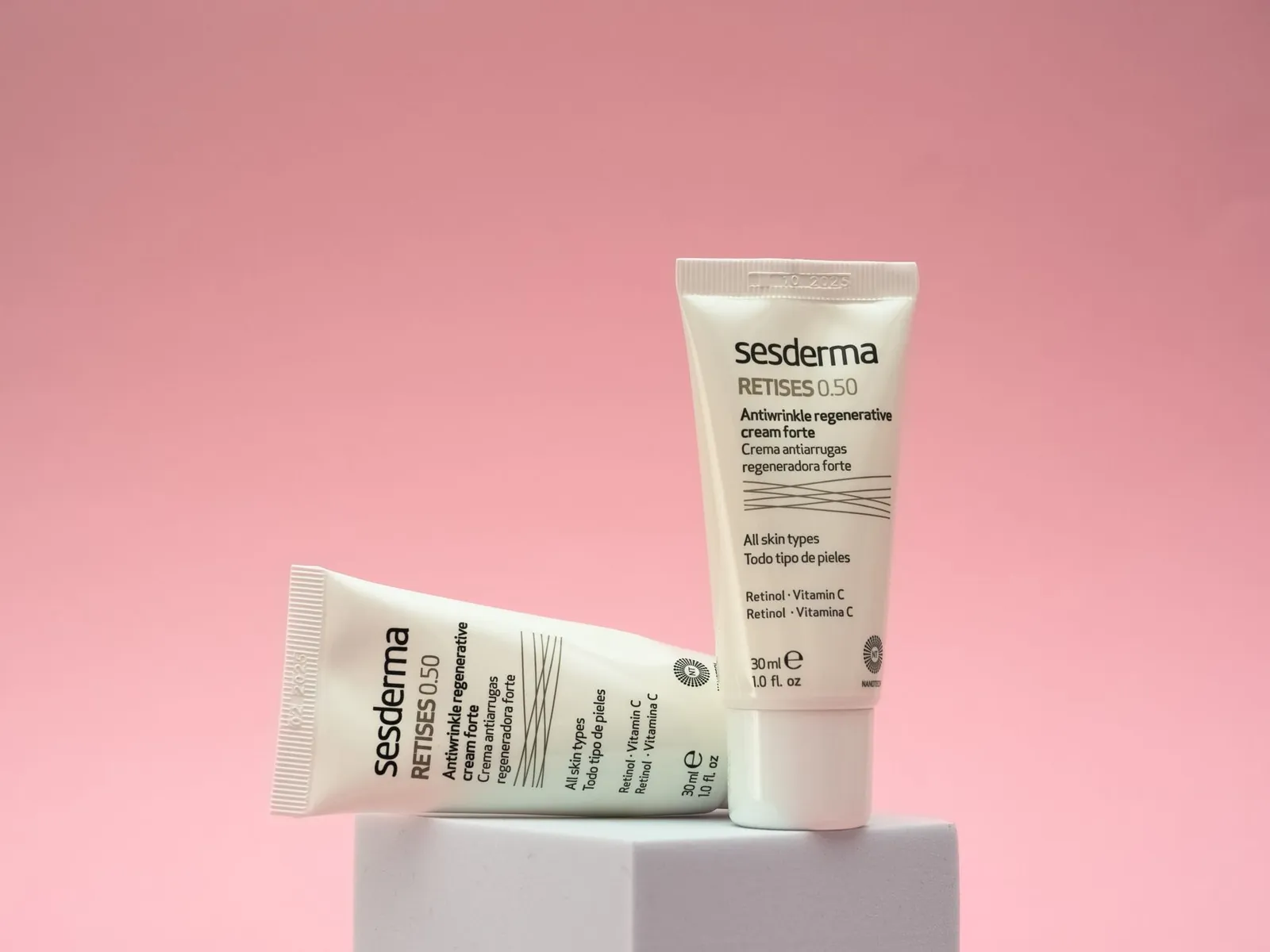
Moisturizers with added actives—retinol, niacinamide, vitamin C—can be useful, but stacking multiple actives in one product often means lower concentrations of each. If you’re targeting a specific concern like hyperpigmentation or fine lines, a dedicated treatment serum used under a plain moisturizer typically outperforms an all-in-one formula.
Patch Test Before Committing
Apply a small amount to your inner arm or behind your ear and wait 24–48 hours. No reaction there? Test on your face at night before adding it to your full routine. If you develop redness, itching, or breakouts within two weeks of daily use, stop—it’s the formula, not a purging phase. Purging from actives like retinol is real, but a plain moisturizer should never cause new breakouts.
Price vs. Performance: What Actually Matters
A $15 drugstore moisturizer with ceramides and hyaluronic acid can genuinely outperform an $80 one loaded with fragrance and unnecessary botanical extracts. The ingredient list is the only honest scorecard.
That said, price isn’t meaningless. Below $15, formulas are more likely to use lower-grade emollients or skip stabilizers that extend shelf life. The $20–$50 range covers the majority of well-formulated options. Above $100, you’re largely paying for packaging, brand positioning, or patented delivery systems—some of which are legitimate, most of which aren’t worth the premium for everyday hydration.
Seasonal and Climate Adjustments
Cold, dry winters pull moisture from skin faster than warmer months—switching from a lotion to a cream between October and March is often enough to prevent the tightness and flaking that builds up over weeks. In humid climates or summer heat, the reverse applies: a gel or light lotion prevents the congestion that heavier creams cause when sweat and sebum are already elevated. Cabin air on flights drops humidity to around 10–20%, well below the 40–60% your skin prefers, so a travel-size cream is worth keeping in your carry-on.
Frequently asked questions
Can I use the same moisturizer morning and night?
Yes, if it suits your skin type. Many people prefer a lighter lotion in the morning—faster absorption, cleaner base for makeup—and a richer cream at night when there’s no time pressure. If one formula works for both, there’s no reason to buy two.
How long does it take to see results from a new moisturizer?
Give it 4–6 weeks. Your skin’s cell turnover cycle runs roughly 28 days, so improvements in texture, hydration, and fine lines take at least one full cycle to show. If you’re breaking out after two weeks, stop—that’s a reaction, not an adjustment period.
Should I use moisturizer if I have acne-prone skin?
Yes. Acne treatments like benzoyl peroxide and salicylic acid are drying by design, and skipping moisturizer can trigger compensatory oil production that worsens breakouts. Use a lightweight, non-comedogenic gel or lotion—look for those words on the label, and avoid formulas with coconut oil or isopropyl myristate near the top of the ingredient list.
What’s the difference between a moisturizer and a hydrating serum?
Serums are lighter, more concentrated, and usually water-based—they deliver actives efficiently but provide little to no occlusion. A moisturizer seals in what the serum deposits. Using a serum alone leaves most skin types under-protected, particularly in dry or cold conditions. Apply serum first, moisturizer second.
Can I use a body moisturizer on my face?
Not recommended. Body moisturizers are formulated for skin that’s thicker and less reactive than facial skin, and they frequently contain fragrances or emollients—like mineral oil in heavy concentrations—that clog facial pores or cause irritation. Face moisturizers are tested specifically for the facial barrier. Use them as labeled.

Priya covers deals and buying timing, and keeps a spreadsheet of price histories she is slightly embarrassed by.