This article may contain affiliate links. If you buy through them we may earn a commission at no extra cost to you.
Moisturizer ingredients fall into five categories: humectants draw water into skin, emollients smooth the surface, occlusives seal moisture in, actives target specific concerns, and preservatives keep the formula safe. The first three do the heavy lifting in any formula—actives and preservatives come after. Once you know which ingredient belongs to which group, you can read a label in under a minute and know whether a product will actually work for your skin.
The Five Core Ingredient Categories
Humectants: Water-Attracting Ingredients
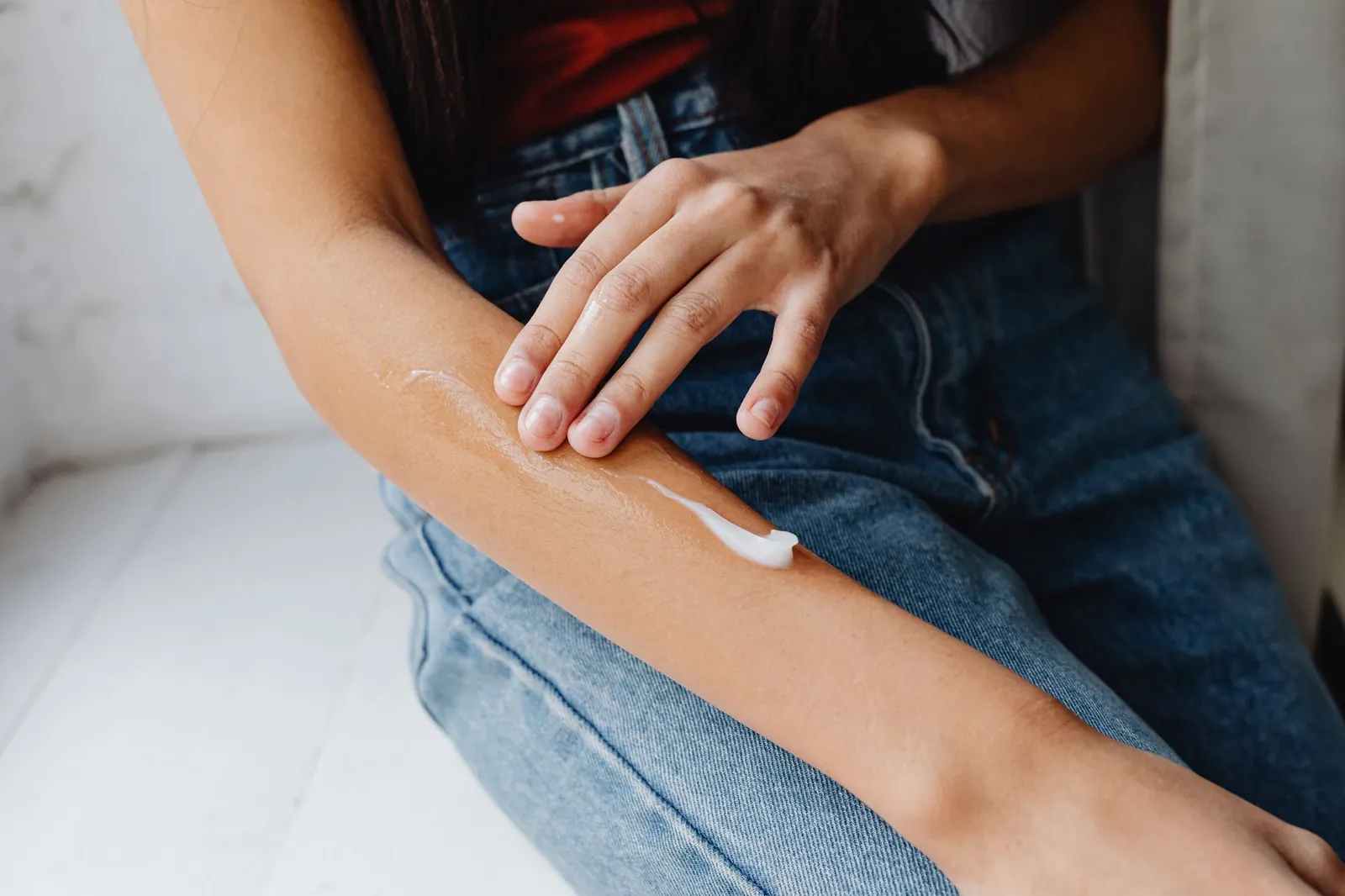
Humectants are hygroscopic compounds that pull water from the air and from deeper skin layers into the stratum corneum—your outermost skin layer. They work best in humid climates or when layered under an occlusive; in very dry air, they can pull moisture out of skin instead of into it.
- Glycerin—the most common humectant, typically 3–5% in formulas. Lightweight, non-irritating, works for all skin types.
- Hyaluronic acid—a polymer that holds up to 1,000 times its weight in water. Found in serums and lightweight moisturizers; molecular weight matters (lower weight penetrates deeper, higher weight stays on the surface).
- Propylene glycol—a solvent and humectant, often 2–5%. Inexpensive and effective but can irritate sensitive skin at higher concentrations.
- Urea—draws water in and gently exfoliates; common in creams for very dry or keratosis-prone skin, usually at 5–10%.
- Sorbitol and glucose—plant-derived humectants; gentler than glycerin but less studied for long-term efficacy.
Emollients: Smoothing and Softening Agents
Emollients are lipids and oils that fill gaps between skin cells and reduce water loss—but unlike occlusives, they don’t form a physical seal. They’re the ingredient category most responsible for how a moisturizer feels on skin.
- Ceramides—lipids naturally found in skin. Ceramide NP, AP, and EOP are the most common synthetic versions; they repair the skin barrier and feel lightweight.
- Squalane—derived from olives or sugarcane; mimics skin’s natural sebum and absorbs quickly without greasiness.
- Dimethicone—a silicone that smooths texture and reduces water loss; common in primers and lightweight creams because it layers cleanly under SPF.
- Plant oils—argan, rosehip, marula, and sunflower seed oils contain fatty acids and fat-soluble vitamins, but comedogenicity varies. Rosehip and sunflower rate low; coconut oil rates high.
- Jojoba oil—technically a liquid wax, not an oil; absorbs quickly and is well-tolerated by most skin types including acne-prone.
Occlusives: Moisture Sealers
Occlusives form a physical barrier that prevents transepidermal water loss (TEWL). They’re the heaviest category and most effective for very dry or compromised skin—but the trade-off is texture. Most feel greasy and are better suited to night use or targeted application.
- Petrolatum (petroleum jelly)—the gold standard; reduces TEWL by roughly 99%. Greasy but unmatched for barrier repair, especially on eczema-prone or post-procedure skin.
- Lanolin—from sheep’s wool; slightly lighter than petrolatum with added emollient properties. Can trigger reactions in wool-sensitive skin.
- Shea butter—a plant-derived occlusive with vitamins A and E; noticeably lighter than petrolatum and more versatile in daytime formulas.
- Beeswax—a natural occlusive with mild antimicrobial properties; thicker than plant waxes and common in lip balms and body butters.
Active Ingredients in Moisturizers
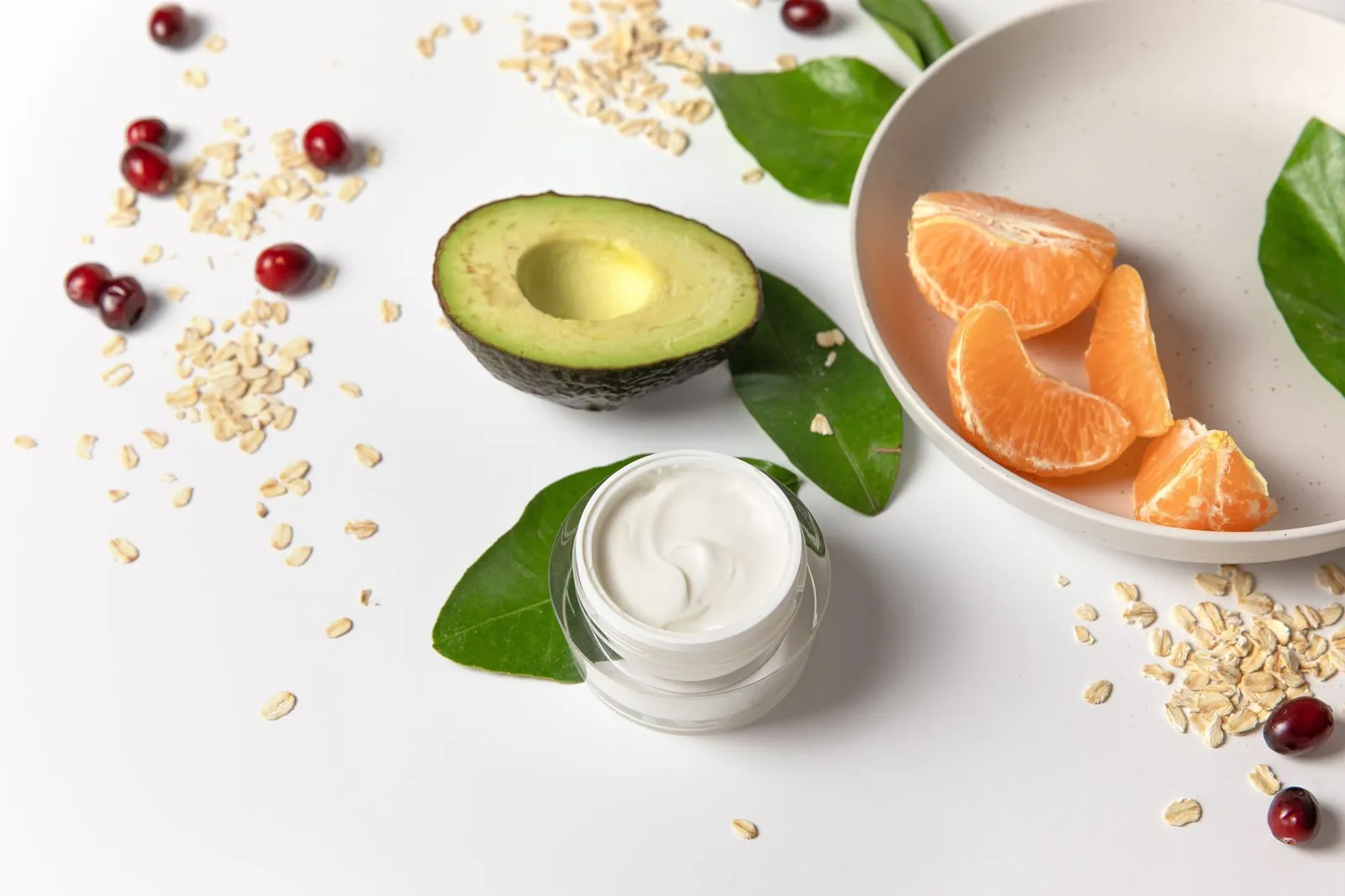
Actives target aging, acne, sensitivity, or discoloration and typically make up 1–10% of a formula. A moisturizer doesn’t need actives to hydrate well—but the right ones can make a base formula do double duty.
- Niacinamide (vitamin B3)—reduces redness, strengthens barrier, minimizes pore appearance; well-tolerated at 4–5%. Pairs well with ceramides and glycerin.
- Retinol and retinoids—boost cell turnover and collagen production; start at 0.25–0.3% to minimize irritation. Unstable in light and air, so packaging matters—opaque, airless pumps preserve potency.
- Alpha hydroxy acids (AHAs)—glycolic and lactic acid exfoliate chemically; typically 5–10% in moisturizers. Use at night and avoid layering with retinoids until your skin has adjusted to each separately.
- Peptides—amino acid chains that signal skin to produce collagen; results are modest compared to retinoids but safe for all skin types, including sensitive.
- Vitamin C (L-ascorbic acid)—an antioxidant that brightens and protects against oxidative damage; effective only at pH below 3.5, which makes it one of the least stable actives in moisturizer format. Serums are a more reliable delivery system.
- Soothing actives—centella asiatica, allantoin, and panthenol calm inflammation and support barrier repair; low-risk additions that rarely cause reactions.
Preservatives and Stabilizers
Preservatives prevent bacterial and fungal growth. They’re not optional—a preservative-free water-based moisturizer can grow mold within days of opening. At approved concentrations, they’re safe; the controversy around them is largely driven by marketing, not dermatology.
- Phenoxyethanol—used at 0.5–1%; safe at those levels per EU and FDA guidelines, though some consumers prefer to avoid it.
- Parabens (methylparaben, propylparaben)—inexpensive, effective, and extensively studied. The safety concerns from the early 2000s haven’t held up under scrutiny, but paraben-free formulas now dominate the market regardless.
- Natural preservatives—vitamin E, rosemary extract, and certain essential oils have antimicrobial properties but aren’t reliable as sole preservatives in water-based formulas.
- Chelating agents—EDTA and citrates prevent metal ions from breaking down actives and are listed as stabilizers on most labels.
How Ingredient Concentration Matters
Ingredients are listed by weight, descending. The first five typically make up around 80% of the formula. A moisturizer with water, glycerin, then oils is a lightweight hydrator. One with petrolatum second is a barrier-repair cream—same label length, completely different product.
Brands rarely disclose exact percentages, but position is a reliable proxy. Niacinamide listed fourth or fifth is probably at 4–5%. Listed eighteenth, it’s likely under 0.5%—present for the marketing claim, not the benefit.
A moisturizer is only as good as its base ingredients—humectants, emollients, and occlusives matter far more than trendy actives.
Matching Ingredients to Your Skin Type
Oily or Acne-Prone Skin
Prioritize lightweight humectants—glycerin and hyaluronic acid—with minimal emollients. Skip heavy oils and petrolatum. Niacinamide at 4–5% and salicylic acid are the most useful actives. Gel-cream formulas with dimethicone give slip without occlusion.
Dry or Sensitive Skin
Lead with ceramides and a humectant serum underneath, then layer a richer emollient cream with light occlusives like shea butter. Hold off on high-concentration actives until your barrier is stable—adding retinol to compromised skin accelerates irritation, not results.
Combination Skin
A balanced formula with glycerin, ceramides, and squalane hydrates without heaviness. Apply heavier creams only to dry zones; keep occlusive-heavy formulas away from the T-zone.
Mature Skin
Combine humectants with peptides, niacinamide, and retinol. Richer emollients and light occlusives support barrier repair as skin produces less natural sebum with age. Vitamin C in a separate serum—not the moisturizer—is more likely to stay stable and effective.
For help narrowing down specific products, see our guide to how to choose a face moisturizer. If budget is a factor, we’ve tested affordable options for dry skin that deliver on core ingredients without the markup.
Reading Labels: What to Ignore and What to Trust
“Hypoallergenic” and “dermatologist-tested” aren’t regulated terms—any brand can use them without meeting a defined standard. “Natural” and “clean” are marketing categories, not safety certifications. Many synthetic ingredients, including lab-made ceramides and hyaluronic acid, outperform their natural equivalents in stability and consistency.
Watch for collagen as a featured ingredient: collagen molecules are too large to penetrate skin and function only as humectants and emollients. A product claiming to “rebuild collagen” needs retinol or peptides in the ingredient list to back that up—not just collagen itself.
Frequently Asked Questions
Can you mix moisturizers with different ingredient bases?
Yes, but layering works better than mixing. Apply lighter humectants first (serums), then emollient-rich creams, then occlusives (balms or oils). Physically combining them can break the emulsion and reduce efficacy. Layering also lets you customize hydration level without buying a single product that does everything adequately but nothing well.
Is hyaluronic acid the same in every moisturizer?
No. Hyaluronic acid varies by molecular weight—high-molecular-weight (HMW) stays on the surface and hydrates; low-molecular-weight (LMW) penetrates deeper. Products rarely specify, but if it’s listed early in a lightweight formula, it’s likely LMW. For maximum effect, use a serum with LMW under a richer cream with HMW.
Do I need an occlusive if I have oily skin?
Probably not as a daily step. Occlusives trap heat and can worsen oiliness. A lightweight humectant and emollient—like squalane—is usually enough. Reserve petrolatum or shea butter for lips or isolated dry patches. If your barrier is compromised (raw, peeling, post-actives), a thin layer of occlusive at night is worth a short-term test.
What’s the difference between a moisturizer and a treatment serum?
Serums carry higher active concentrations in a lighter, faster-absorbing base. Moisturizers balance hydration across humectants and emollients and sit on skin longer to support the barrier. Serum goes under moisturizer. A serum alone won’t seal moisture in—you need an emollient or occlusive on top to lock in what the serum delivered.
Are preservatives bad for skin?
No. At approved concentrations—typically under 1%—preservatives are safe for all skin types and essential for preventing contamination. Avoiding all preservatives doesn’t make a formula safer; it makes it a higher risk for mold and bacterial growth, which cause far more irritation than phenoxyethanol at 0.8%. If you’re reactive, patch-test new products, but the preservative is rarely the culprit.

Jordan has reviewed household and consumer products for eight years and returns more items than anyone should.