This article may contain affiliate links. If you buy through them we may earn a commission at no extra cost to you.
The right electric toothbrush comes down to brush technology, the features your mouth actually needs, and budget. Oscillating brushes (Oral-B) and sonic brushes (Sonicare, Waterpik) both clean effectively—the difference is how they feel and what they cost to maintain. Most people land in the $50–$120 range and never need to spend more.
Brush Head Type: Oscillating vs. Sonic
These two technologies work differently enough that the choice affects daily comfort, not just specs on a box.
Oscillating brushes
Oscillating heads rotate back and forth at 3,000–7,600 oscillations per minute. Oral-B dominates this category. The heads are small and round, which makes it easier to cup each tooth individually and angle the bristles toward the gum line—useful if you have crowded teeth or have been told by a dentist you miss the gum margin. Price range: $25–$300+.
Sonic brushes
Sonic brushes vibrate side-to-side at 20,000–62,000 strokes per minute. Sonicare and Waterpik lead here. The motion creates a fluid dynamic that pushes toothpaste slightly beyond where the bristles touch, which some people with wider spacing between teeth find helpful. The sensation is gentler—less mechanical—and the heads are larger and oval-shaped. Price range: $30–$250+.
Neither technology is objectively “better”—the best brush is the one you’ll actually use every day.
If you want a familiar feel or have tight spaces between teeth, go oscillating. If you have sensitive gums or dexterity issues that make precise angling difficult, sonic is typically easier to manage.
Power Source and Battery Life
Rechargeable models
Most brushes in the $40–$300+ range charge via a dock or USB. Battery life runs 7–30 days between charges depending on the model and how many modes you cycle through. Replacement heads cost $5–$15 each and need swapping every three months—cheaper over time than buying new disposable brushes. Better for the environment, too.
Battery-powered models
Battery-powered brushes run on AA or AAA cells and cost $15–$50 upfront. They’re lighter and easier to pack, but batteries typically need replacing every two to three months with twice-daily brushing. If you travel constantly and hate carrying a charging dock, they’re a reasonable trade-off. For home use, rechargeable wins on cost and consistency of power output.
Key Features to Compare
Pressure sensors
A pressure sensor pulses or lights up when you’re brushing too hard. Over-brushing is one of the main causes of gum recession, and most people don’t realize they’re doing it. This feature appears on most brushes above $60 and is worth prioritizing if your dentist has flagged gum wear.
Brushing modes
Every brush includes a standard daily-clean mode. Mid-range models add sensitive and gum-care modes; premium models ($150+) may include whitening, tongue cleaning, or massage. For most people, daily clean and sensitive cover everything. Extra modes aren’t a reason to spend more unless your dentist has recommended a specific protocol.
Smart features
App-connected brushes—Oral-B’s iO Series ($150–$250), Sonicare’s DiamondClean Smart ($200+)—track brushing time, pressure, and coverage zone by zone. Genuinely useful for kids learning technique, or adults who’ve been told they consistently miss a specific area. Otherwise, the 2-minute timer built into every brush does the same job for free.
Timer and quadrant guidance
A 30-second pulse signals you to move to a new quadrant; a longer pause or stop at 2 minutes marks the end of the recommended brushing time. This is standard across all price points—even $20 brushes include it—and it’s the single feature most likely to improve your brushing habits.
Bristle Stiffness and Head Size
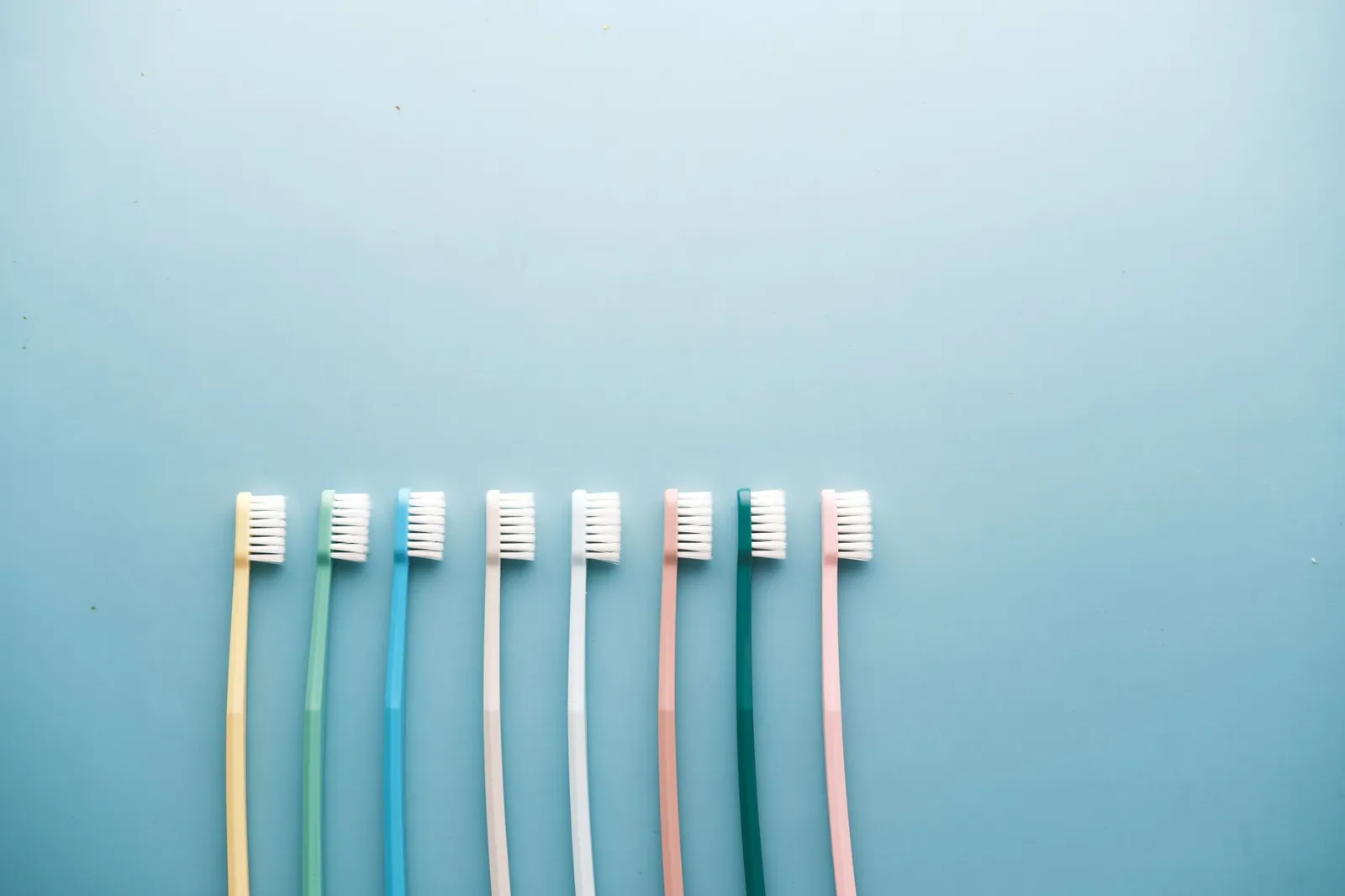
Replacement heads come in soft, medium, and firm. Dentists almost universally recommend soft ($5–$12 per head)—medium works for most healthy gums, and firm bristles risk enamel wear with repeated use. If you’re unsure, start soft.
Head size shapes how you brush:
- Small, round heads (oscillating): better for back molars, tight spacing, and angling at the gum line
- Larger, oval heads (sonic): cover more surface per stroke, easier to use with a sweeping motion
If you have a small mouth or wear braces, a smaller head is almost always easier to control.
Price Ranges and What You Get
| Price Range | What to Expect | Best For |
|---|---|---|
| $15–$40 | Basic rechargeable or battery-powered; one brushing mode; no smart features | Budget-conscious buyers; first-time electric brush users |
| $40–$100 | Rechargeable; multiple modes; pressure sensor; 2–3 week battery life | Most people; good balance of features and value |
| $100–$200 | Premium build; 4+ modes; smart app connectivity; longer battery; premium design | Those wanting durability, extra features, or app tracking |
| $200+ | Top-tier materials; full smart ecosystem; advanced sensors; luxury design | Enthusiasts; people who replace brushes every 3–5 years |
Our verdict
Most people get the best value in the $50–$120 range: a reliable rechargeable with multiple modes and a pressure sensor. Spending above $150 buys app integration and premium materials, not measurably cleaner teeth. Under $40 works fine if you’re comfortable replacing batteries or skipping extra modes.
Gum Health and Sensitivity
If you have gum disease, receding gums, or sensitive teeth, look for a dedicated sensitivity mode that drops the vibration speed, plus a pressure sensor. Oral-B and Sonicare both make models targeting this at $60–$150. The pressure sensor matters more here than anywhere else—chronic over-brushing accelerates gum recession faster than most people expect.
Waterpik makes brushes designed for implants and braces with specialized head shapes. If you have either, check the manufacturer’s compatibility list before buying—not all heads are safe around implant crowns or orthodontic brackets.
For more on whether switching from manual makes sense for your situation, read our guide on electric vs. manual toothbrushes.
Durability and Warranty
A well-made electric toothbrush lasts 3–5 years. Oral-B and Sonicare standard warranties run 1–2 years; some premium models extend to 3 years. Check before buying if you’re spending over $100.
Also check replacement head availability. Both Oral-B and Sonicare have maintained backward compatibility across model generations for years, so finding heads for a 4-year-old handle is rarely a problem. Smaller or newer brands can’t always say the same.
Frequently asked questions
Do I really need an electric toothbrush?
No—but they lower the skill floor. Studies show electric brushes remove slightly more plaque than manual brushing, particularly for people who rush or have limited dexterity. If you brush thoroughly with a manual brush for 2 minutes twice daily, your teeth will be clean. An electric brush makes consistent technique easier, not optional.
How often should I replace the brush head?
Every 3 months, or when bristles look frayed or bent. Most heads include a color-indicator strip on the bristles that fades over time as a reminder. Replacement heads cost $5–$15 depending on the brand and whether you buy in multipacks.
Can I use an electric toothbrush with braces or implants?
Yes, but check with your orthodontist or dentist first. Oscillating brushes are generally easier to control around brackets because the smaller head fits between wires. Avoid firm bristles regardless of brush type. For implants, use a soft-bristled head and confirm the brushing mode isn’t so gentle it leaves plaque on the crown margin.
Are sonic brushes better than oscillating ones?
Not categorically. Both clean effectively. Sonic feels gentler and suits sensitive gums; oscillating is easier to angle precisely and feels more familiar. Choose based on comfort and gum sensitivity, not marketing language about stroke counts.
What’s the difference between Oral-B and Sonicare?
Oral-B uses oscillating technology; Sonicare uses sonic vibration. Oral-B has more model variety and a lower entry price ($25–$250+). Sonicare starts higher ($50–$250+) and leans into premium finishes and app features. Both are effective and have been on the market long enough that replacement heads are widely available. The deciding factor should be which one feels better in your hand.

Jordan has reviewed household and consumer products for eight years and returns more items than anyone should.