This article may contain affiliate links. If you buy through them we may earn a commission at no extra cost to you.
You can get reliable non-stick performance for $50–$160. The T-fal Ultimate Hard Anodized ($80–$110) is the strongest all-around pick; the Farberware Millennium ($50–$70) works if you’re furnishing a temporary kitchen. What separates a good budget set from a disappointing one comes down to coating thickness, core material, and whether you’ll hand-wash it.
What makes budget non-stick cookware worth buying
Budget non-stick sets in the $50–$150 range typically include 7–12 pieces: a couple of saucepans, a frying pan, a stockpot or Dutch oven, and lids. The real trade-off isn’t performance out of the box—it’s longevity. Budget coatings wear faster with metal utensils and dishwasher cycles, so plan for 2–4 years of heavy use before degradation becomes noticeable.
Coating type matters more than brand marketing. PTFE-based coatings (traditional Teflon-style) are cheaper and slick initially but thin out faster. Ceramic and reinforced hybrid coatings scratch less easily but can lose their release properties sooner if overheated. For the core, hard-anodized aluminum resists warping and outlasts plain aluminum by a meaningful margin—worth the extra $20–$30 per set.
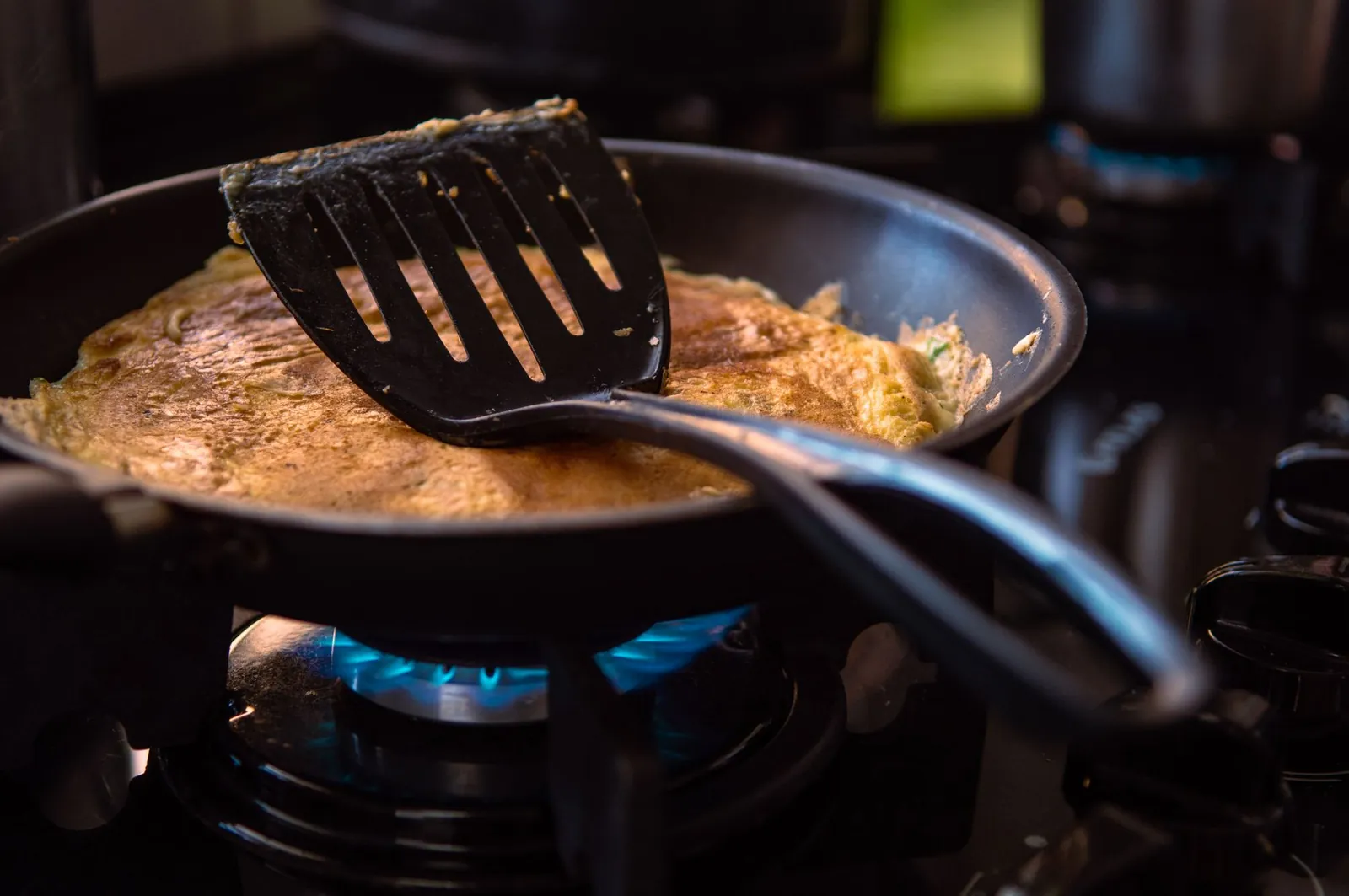
Budget non-stick is best for renters and home cooks who replace cookware every few years—not for those who keep pans for decades.
Top budget non-stick cookware sets compared
| Set | Pieces | Price Range | Core Material | Best For | Key Downside |
|---|---|---|---|---|---|
| T-fal Ultimate Hard Anodized | 10 | $80–$110 | Hard-anodized aluminum | Everyday cooking, oven-safe to 400°F | Handles can loosen over time |
| Calphalon Contemporary | 11 | $60–$90 | Aluminum | First cookware set, basic stovetop use | Non-stick coating wears quickly with metal utensils |
| Rachael Ray Brights | 14 | $70–$100 | Aluminum | Colorful kitchens, casual cooks | Lightweight, less durable than hard-anodized |
| GreenPan Valencia Pro | 11 | $120–$160 | Stainless steel | Ceramic non-stick preference, hybrid approach | Ceramic coating still scratches with aggressive use |
| Farberware Millennium | 10 | $50–$70 | Aluminum | Ultra-tight budgets, basic needs | Thinnest construction, most prone to warping |
| Caraway Non-Toxic Set | 7 | $195–$225 | Ceramic on stainless steel | Non-toxic preference, smaller households | Higher price for fewer pieces; ceramic chips easier |
Our verdict
T-fal Ultimate Hard Anodized offers the best balance of durability, price, and piece count at $80–$110. If you prioritize non-toxic coatings and don’t mind fewer pieces, GreenPan Valencia Pro is worth the stretch to $120–$160. For absolute minimum spend, Farberware Millennium covers basic cooking—but expect to replace it sooner.
Best sets by use case
Apartment dwellers and renters
T-fal Ultimate or Calphalon Contemporary. Both are light enough to move, include lids, and don’t require special care. Hard-anodized aluminum handles accidental overheating better than plain aluminum, and 10–11 pieces covers everyday meals without consuming every cabinet shelf.
Large families and batch cookers
Rachael Ray Brights includes 14 pieces and a 5-quart stockpot—practical for soups, pasta, and weekend meal prep. Aluminum heats quickly and evenly at this price point, which matters when you’re scaling recipes for four or more people.
Health-conscious cooks
GreenPan Valencia Pro uses ceramic non-stick on a stainless steel base: PFOA-free, PTFE-free, and rated to 600°F—useful if you sear on the stovetop and finish in the oven. The trade-off is that ceramic scratches faster than PTFE if you reach for a metal spatula. Silicone or wooden utensils only.
Minimalist or small-space kitchens
Caraway’s 7-piece set (two skillets, one saucepan, one Dutch oven, plus lids) eliminates redundancy. Stainless steel handles tolerate oven temperatures better than riveted aluminum. You’ll pay more per piece, but the storage panel Caraway includes is a genuine space-saver in tight kitchens.
How to extend the life of budget non-stick cookware
Coating degradation is the main failure point. Hand-washing instead of using the dishwasher is the single highest-impact habit—high heat and abrasive detergents accelerate breakdown faster than cooking frequency does. Use silicone, wood, or nylon utensils; a single metal fork dragged across the surface creates micro-scratches that compound over time.
Two more habits worth building:
- Skip cooking sprays. They leave a polymerized residue that turns sticky and is nearly impossible to remove from non-stick surfaces. A light wipe of butter or neutral oil works better and cleans up easily.
- Store pans with felt or cloth separators. Stacking bare pans scratches the coating on the pan below—a $5 set of pan protectors extends lifespan noticeably.
Avoid preheating on high. Budget non-stick is engineered for medium to medium-high heat. Sustained high heat causes the coating to bubble or peel, and PTFE coatings above 500°F can release fumes. When the surface starts sticking consistently, replace the pan—re-seasoning doesn’t work on PTFE, and repairs aren’t practical at this price point.
Budget non-stick vs. stainless steel
Non-stick excels at eggs, pancakes, and delicate fish with minimal added fat. Stainless steel builds a natural seasoning with use, lasts decades, and handles high-heat searing that would damage a budget coating—but it requires more oil and technique to prevent sticking. If you plan to keep cookware for 10-plus years, a mid-range stainless set pays for itself. If you’re outfitting a first apartment or expect to upgrade in a few years, non-stick at this price tier makes more sense.
For a full breakdown, see our guide on non-stick vs. stainless steel cookware.
Red flags when buying budget cookware
Sets under $40 almost always use very thin coatings that wear out in months, not years. Below that threshold, you’re buying disposable cookware whether you intend to or not. Other warning signs:
- Fewer than 8 pieces or missing lids—you’ll buy replacements separately and erase the savings
- Oven-safe ratings capped at 350°F, which cuts out broiling and oven-finishing entirely
- No established brand name and fewer than 500 reviews—no track record means no reliable signal on coating durability
Most budget sets carry 1–2 year limited warranties, which is realistic for the price point. T-fal, Calphalon, and Rachael Ray all have accessible customer service if a handle fails or a lid cracks—that support is worth something when you’re spending under $100.
Frequently asked questions
How long does budget non-stick cookware last?
With proper care—hand-washing, silicone utensils, no metal scrubbers—budget non-stick typically lasts 2–4 years before the coating noticeably degrades. Hard-anodized aluminum sets lean toward the longer end; plain aluminum toward the shorter end. How often you cook and whether you follow care instructions are the two biggest variables.
Is budget non-stick cookware safe?
Yes. Modern budget non-stick cookware meets FDA safety standards. PTFE-based coatings are safe at normal cooking temperatures; fumes only become a concern above 500°F, which exceeds typical stovetop use. If PTFE concerns you, ceramic options like GreenPan are PFOA- and PTFE-free—though they scratch more easily and require the same gentle care.
Can I use metal utensils on budget non-stick pans?
Technically yes on sets marketed as metal-utensil-safe, but it shortens coating life. Metal utensils create micro-scratches that compound over time, accelerating sticking. Silicone, wood, and nylon are gentler. If you cook with metal utensils habitually, stainless steel is a better long-term investment.
Are budget non-stick sets dishwasher-safe?
Most are labeled dishwasher-safe, but hand-washing extends non-stick life considerably. Dishwashers combine high heat, prolonged water exposure, and abrasive detergents—all of which degrade coatings faster than stovetop cooking does. Warm soapy water and a soft sponge is the move, especially with thinner budget coatings.
What’s the difference between hard-anodized and regular aluminum non-stick?
Hard-anodized aluminum goes through an electrochemical process that hardens the surface, making it more warp-resistant and durable than plain aluminum. It costs roughly $20–$30 more per set at the budget tier but resists scratching and holds up longer under daily use. For most buyers, that gap is worth it.

Priya covers deals and buying timing, and keeps a spreadsheet of price histories she is slightly embarrassed by.