This article may contain affiliate links. If you buy through them we may earn a commission at no extra cost to you.
If you listen on the move—commuting, working out, traveling—wireless earbuds are the practical choice. If you sit at a desk or couch for hours and care about sound quality, over ear headphones are worth the extra size and cost. The decision mostly comes down to where and how long you listen.
Sound Quality and Audio Performance
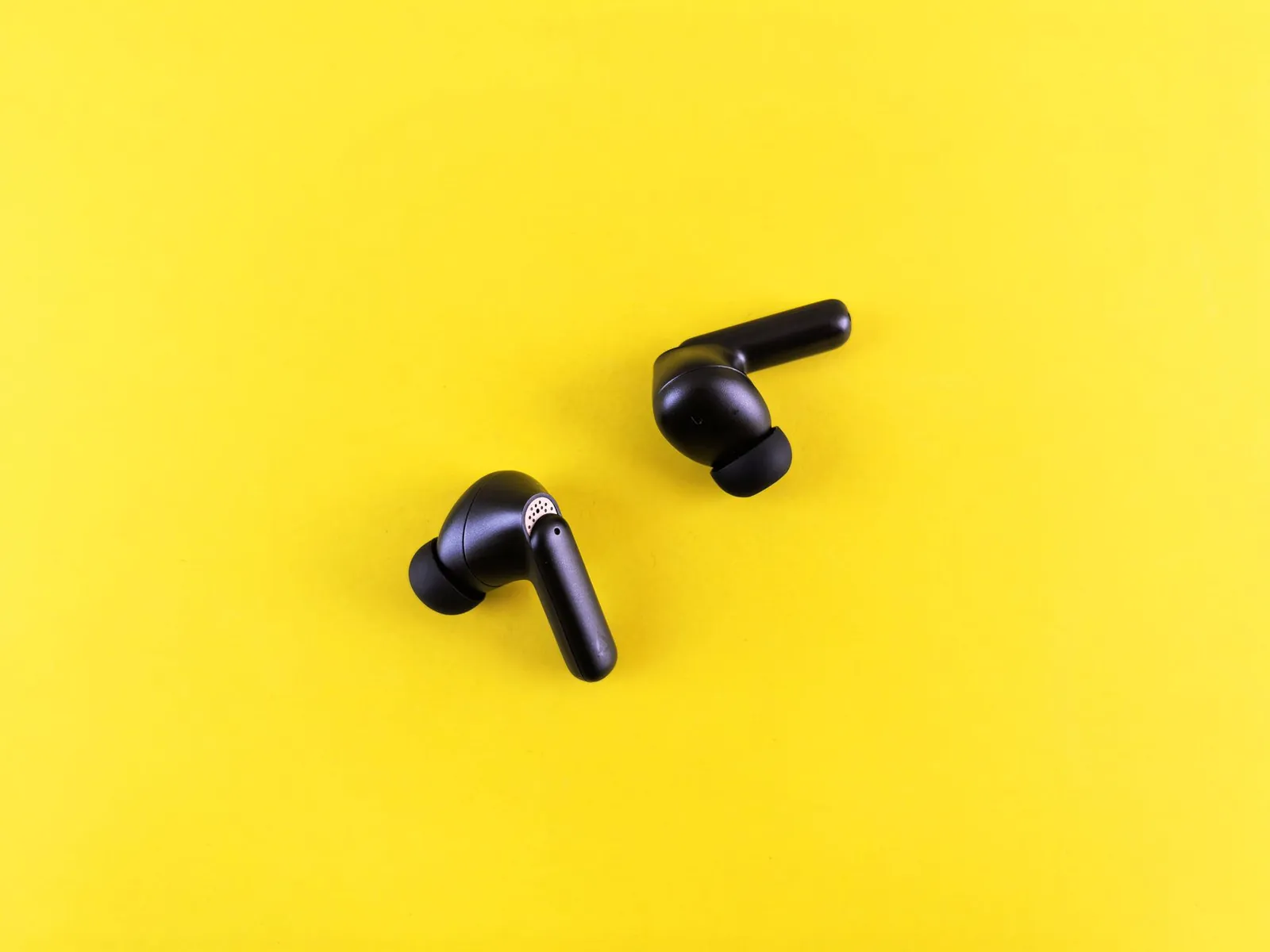
Over ear headphones have a structural advantage: larger drivers (typically 40mm versus 6–10mm in earbuds) and sealed ear cups produce deeper bass, a wider soundstage, and more precise imaging. You’ll notice it most in music with layered instrumentation—jazz, orchestral, and hip-hop all benefit.
Premium earbuds ($150–$300) from Sony, Sennheiser, and Apple have closed the gap considerably, delivering balanced, detailed audio that satisfies most listeners. Budget earbuds ($30–$80) are a different story: thin bass and compressed mids are common, and no amount of EQ fully compensates for a small driver in a leaky seal.
For podcasts and calls, earbuds at any price point are fine. For extended music listening or gaming where spatial detail matters, over ear headphones reward the upgrade.
Comfort and Fit
This is where personal anatomy matters more than spec sheets.
Wireless earbuds
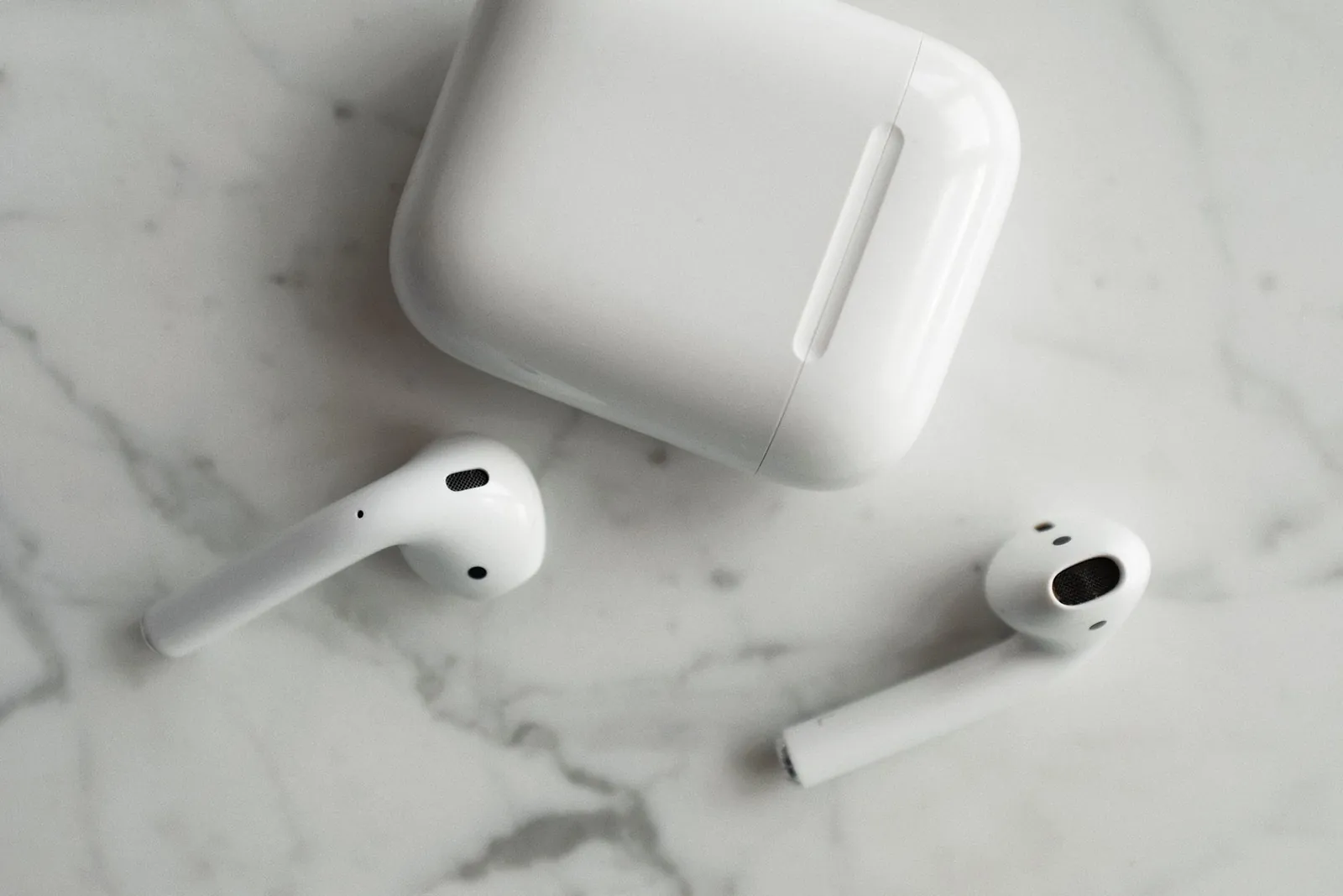
- Light (typically 4–6 grams per bud) and easy to forget you’re wearing them—until you’re not
- Ear tip fit is critical; most models include three sizes, but some ear canals don’t seal well with any of them
- Discomfort or pressure buildup typically sets in after 2–4 hours of continuous wear
- A loose fit risks losing a bud—replacement for a single earbud often runs $50–$90 from the manufacturer
Over ear headphones
- Heavier (200–350 grams), which you feel on your neck during long sessions
- Well-padded models with low clamp force are genuinely comfortable for 4+ hours; poorly designed ones cause headaches in under an hour
- Ear cups trap heat—a real problem in warm environments or during any physical activity
- Not viable for running or cycling; the weight and size make them impractical for movement
The best headphone is the one you’ll actually wear for the full listening session without thinking about it.
Portability and Lifestyle Fit
Wireless earbuds fit in a jacket pocket. Their charging cases are roughly the size of a lighter to a deck of cards depending on the model. That makes them the default choice for commuters, gym-goers, and frequent travelers who pack light.
Over ear headphones need a dedicated bag slot. Folding designs help, but even compact models like the Sony WH-1000XM5 require a case roughly the size of a small purse. They belong at a desk, on a plane with a tray table, or at home—not in a gym locker or clipped to a running belt.
Battery Life and Charging
Over ear headphones typically run 20–40 hours per charge. At two hours of daily use, that’s charging once every one to three weeks. Wireless earbuds average 5–8 hours per charge, with the case supplying another 15–25 hours—enough for a full day of moderate use, but you’ll need to drop them in the case each night if you rely on them heavily.
Fast charging has improved on both sides. Several earbuds now recover 1–2 hours of playback from a 10–15 minute charge; most over ear flagships do something similar. The practical gap: the earbud case is small enough to lose in a bag, which means dead earbuds at inconvenient times more often than you’d expect. Check our guide on budget wireless earbuds under $50 for models with solid battery performance at lower prices.
Noise Cancellation and Isolation
Active noise cancellation (ANC) is available on both types, but the physics favor over ear headphones. The ear cup creates a passive seal that blocks 15–25 dB of ambient noise before ANC even activates. The active layer handles what gets through, particularly low-frequency rumble from engines and HVAC systems.
Wireless earbuds with ANC
Effective for steady, low-frequency noise—airplane cabins, subway cars, open-plan offices. Good models in the $80–$200 range reduce ambient noise by roughly 15–20 dB. The trade-off is battery: ANC typically cuts earbud runtime by 30–40%, dropping a 7-hour bud to around 4–5 hours.
Over ear headphones with ANC
The passive seal plus active cancellation combination is measurably more effective, especially at lower frequencies. Battery drain from ANC is proportionally smaller because the larger battery absorbs the hit better. If you fly more than a few times a year or work in a loud office daily, the difference is worth paying for.
Price and Value
| Category | Wireless Earbuds | Over Ear Headphones |
|---|---|---|
| Budget | $25–$60 | $40–$100 |
| Mid-range | $80–$200 | $150–$350 |
| Premium | $200–$400+ | $300–$700+ |
Earbuds cost less at every tier, and budget earbuds ($25–$60) punch above their weight—call quality and basic playback are reliable even from lesser-known brands. Budget over ear headphones are a harder sell: weak bass and uncomfortable headbands are common below $80, and the size advantage disappears if you can’t wear them for long.
At the premium end, $300 buys a strong pair of earbuds or a noticeably better pair of over ear headphones. The larger drivers and build quality scale more visibly with price in the over ear category. Read our detailed breakdown in how to choose wireless earbuds for guidance on what features justify the price at each level.
Durability and Repairability
Earbuds are largely disposable. If one bud fails, you typically replace the whole pair. Charging contacts corrode, battery capacity degrades—most earbuds retain about 80% of original battery life after two years of daily use, and by year three the drop becomes noticeable. Plan on a 2–3 year lifespan.
Over ear headphones are more repairable. Ear pads, cables, and on some models the battery are user-replaceable. A broken headband hinge can often be fixed for under $20 in parts. Treated reasonably, a quality pair lasts 4–7 years. That changes the value math considerably when you’re comparing a $250 earbud purchase every three years against a $350 headphone that runs for six.
Our verdict
Choose wireless earbuds if: You commute, travel, or work out regularly. You want something you can pocket without thinking. You’re on a tighter budget and need reliable everyday audio without studio-quality expectations.
Choose over ear headphones if: You listen for 4+ hours at a stretch. Sound quality and bass response are priorities. You want stronger noise cancellation for flights or loud offices. You’d rather buy once and keep them for years.
Frequently asked questions
Can you use wireless earbuds for gaming?
Yes, with caveats. Earbuds work fine for casual gaming on phones and tablets. For competitive PC or console gaming, latency is the issue—most earbuds introduce 50–200ms of delay, which is noticeable in fast-paced shooters. Gaming-specific over ear headsets are designed to minimize this. Casual play, earbuds are fine; ranked multiplayer, go over ear.
Are wireless earbuds safe for ears?
At normal volumes (under 85 dB), yes. The risk comes from prolonged high-volume listening, which damages hearing regardless of whether you use earbuds or headphones. A practical rule: keep volume at or below 60% and take a break every hour. Over ear headphones don’t inherently reduce this risk—listening habits do.
How long do wireless earbuds actually last?
Most retain around 80% of original battery capacity after two years of daily use. By year three, you’ll likely notice shorter playback times between charges. Lifespan depends on how often you charge, whether you store them in extreme heat, and build quality—premium models tend to hold up better than budget pairs.
Do over ear headphones work with all phones?
All modern wireless over ear headphones connect via Bluetooth 5.0 or later and pair with any smartphone, tablet, or computer that has Bluetooth. Wired models need a 3.5mm jack or USB-C adapter, which fewer phones include now. If compatibility across devices matters, wireless is the safer choice.
Can you wear earbuds while sleeping?
Technically yes, but it’s not a good idea. Rolling onto an earbud can push it deeper into the ear canal or damage the driver. Over ear headphones are too bulky for any sleep position. If you want audio while falling asleep, a pillow speaker or a dedicated white noise machine is safer and more comfortable than either.

Priya covers deals and buying timing, and keeps a spreadsheet of price histories she is slightly embarrassed by.